What Is Secure Product Destruction for Food Businesses? | United Sustainable AG
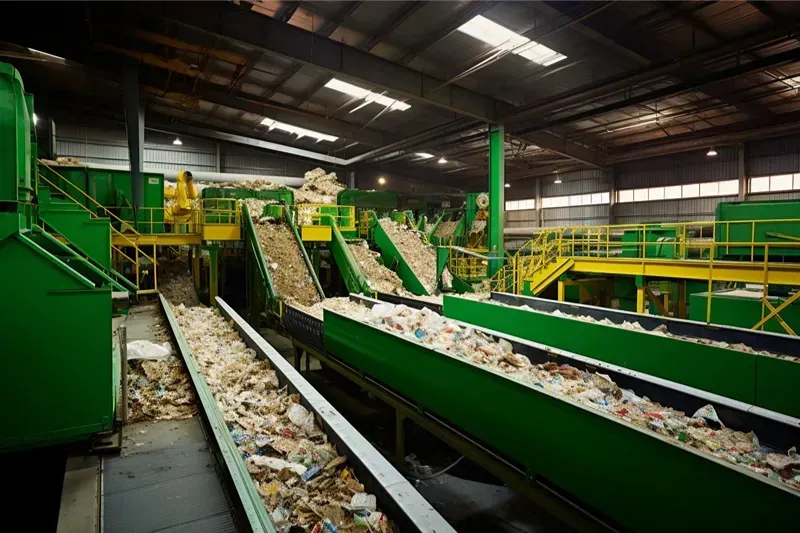
Secure product destruction is the certified, documented process of irreversibly destroying food products that cannot be sold, donated, or returned, such as recalled, expired, or damaged goods. Food manufacturers, distributors, and grocery chains use it to prevent diverted product from re-entering the market, satisfy regulatory and brand partner requirements, and receive a certificate of destruction as proof. Mechanical depackaging separates organics from containers so materials can be processed efficiently and confidentially.
Expired inventory, recalled batches, and damaged pallets carry legal and brand risk the moment they leave a controlled environment. A single case of diverted product resurfacing on a secondary market or resale platform can trigger regulatory scrutiny, consumer harm claims, and lasting damage to brand reputation. Secure product destruction removes that risk by ensuring food products that cannot be sold are irreversibly destroyed under controlled, documented conditions.
Businesses across the food supply chain, from manufacturers managing production overruns to grocery distributors clearing expired stock, face this challenge on a recurring basis rather than as a rare exception. This guide explains what secure product destruction is, which food businesses rely on it, how the certified process works, and what documentation a business should expect at the end of it.
What Is Secure Product Destruction?
Secure product destruction is the controlled, documented, and irreversible destruction of food products that cannot legally or safely be sold, donated, or returned to the supply chain. It applies to recalled goods, expired date-coded inventory, contaminated batches, and damaged or mislabeled products that manufacturers and distributors are required to remove from circulation.
The process differs from standard waste disposal in several ways. Standard disposal moves material to a landfill or hauler without verifying that packaging and product identity are destroyed beyond recovery. Secure product destruction, by contrast, is performed at a facility with monitored access, and it concludes with formal documentation confirming what was destroyed, when, and how. That documentation protects a business if a regulator, brand partner, or insurer later asks for proof that the product did not re-enter commerce.
The distinction matters most in categories where product identity carries risk on its own, separate from the food safety issue that triggered the destruction. A recalled infant formula, a mislabeled allergen product, or a counterfeit-prone branded good all create liability if any portion of a batch survives intact and reaches a consumer, which is why destruction facilities are built around eliminating that possibility rather than simply disposing of volume.
What Types of Food Businesses Need Secure Product Destruction?
Several categories of food businesses depend on certified destruction as part of standard operating procedure rather than as an occasional exception. Each category faces a different mix of volume, frequency, and regulatory pressure, but all share the same underlying need for documented, irreversible destruction.
Food Manufacturers and Co-Packers
Manufacturers and co-packing facilities generate destruction volume from production overruns, formulation changes, mislabeled runs, and batches that fail quality checks before reaching a retail shelf. A line changeover that leaves partially filled containers, a labeling error caught during a final audit, or a flavor reformulation that renders older stock obsolete all create material that cannot move forward through normal channels.
These products often carry proprietary formulations or unreleased branding, so confidential destruction protects intellectual property along with regulatory compliance. A co-packer producing private label goods for multiple brands faces additional pressure to keep each client's formulation and packaging separate and untraceable once destruction begins, since a mix-up at this stage could expose sensitive recipe information or damage a client relationship.
Grocery Chains and Distributors
Grocery chains and distribution centers routinely pull expired date-coded stock, damaged shipments, and returns that cannot be resold. Perishable categories such as dairy, deli, and bakery generate destruction volume on a near-daily basis, while shelf-stable categories accumulate expired stock in larger, less frequent batches.
High volume and frequent turnover make a standing destruction and documentation process more efficient than handling each incident individually. A distributor managing dozens of store locations benefits from a single certified partner rather than negotiating disposal terms separately for every facility, since consolidated reporting simplifies audits and reduces the administrative burden on compliance staff. Centralizing destruction volume through one partner also creates a clearer picture of shrink and waste trends across the entire distribution network, information that can feed directly into inventory and ordering decisions.
Importers and Exporters Facing Regulatory Holds
Businesses moving product across borders sometimes face regulatory holds tied to labeling violations, missing certifications, or failed inspections. Guidance from the FDA Food Recall Guidance outlines how these situations are typically handled once a violation is identified. When a hold results in a determination that product cannot be released for sale, secure destruction with a certificate of destruction closes out the compliance record and gives customs authorities and trade partners documented proof that the shipment did not enter commerce.
What Does the Secure Product Destruction Process Look Like?
The certified destruction process follows a consistent sequence designed to protect chain of custody from intake through final documentation. Understanding each phase helps a business evaluate whether a potential destruction partner meets the standard required for compliance and brand protection.
Confidential Intake and Material Staging
Product arrives at an enclosed facility with monitored access rather than an open transfer station. Staging separates material by type and by the reason for destruction, which supports accurate reporting later in the process and keeps different clients' material from being commingled before processing begins.
Access logs, security cameras, and restricted entry points are standard features of a facility built for this purpose. These controls matter most for businesses destroying high-value or brand-sensitive product, where an uncontrolled staging area could create an opportunity for material to be diverted before destruction ever takes place.
Mechanical Depackaging: How Packaging Is Separated from Organics
Industrial depackaging equipment separates organic food material from its packaging, whether that packaging is plastic, cardboard, glass, or metal. This mechanical separation eliminates the need for staff to manually open, dump, and sort thousands of individual units by hand.
Equipment designed for this task can process cases, cartons, bagged product, and palletized loads without requiring product to be pre-sorted by container type. This flexibility matters for businesses handling mixed loads of recalled or expired inventory, where packaging formats often vary widely within a single shipment.
Processing and Diversion: Where the Material Goes After Destruction
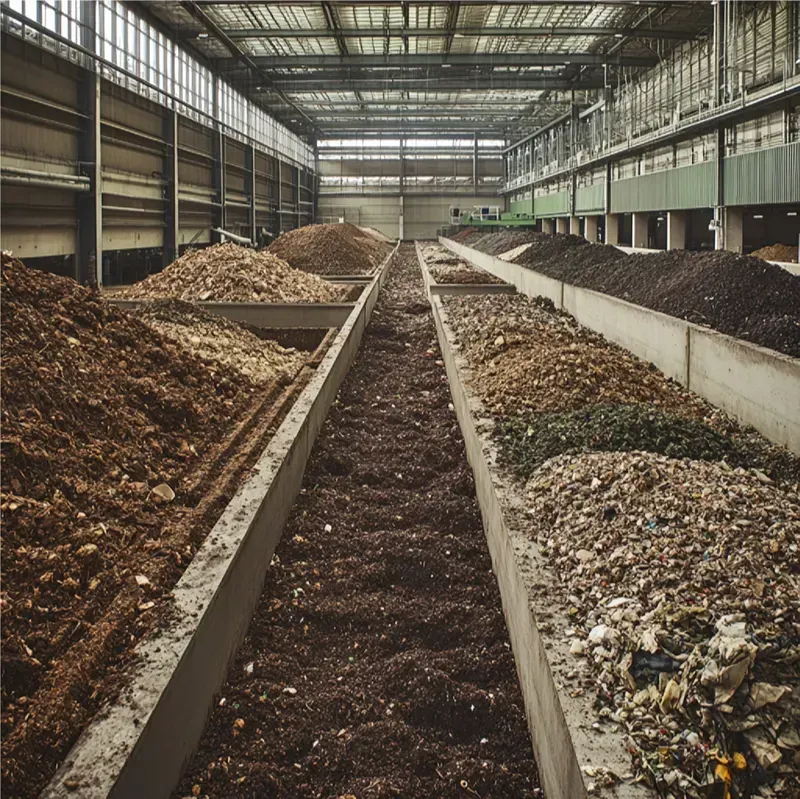
Once separated, organic material is typically diverted toward beneficial reuse such as anaerobic digestion or composting, an approach consistent with the EPA Food Recovery Hierarchy, while packaging materials move through appropriate recycling or disposal channels. Throughout this stage, packaging is rendered unidentifiable and commingled so branding cannot be traced or reassembled.
Diverting organic material away from landfill disposal also supports sustainability reporting that many food businesses now track alongside financial performance. A facility that documents diversion volume alongside destruction volume gives a business two forms of reporting from a single process, which reduces the need for separate sustainability audits.
Certification and Documentation
The process concludes with issuance of a certificate of destruction and any supporting media documentation, such as photos or video, depending on what the client's compliance program requires. Some businesses request documentation for every load, while others request it only for destruction tied to a formal recall or regulatory action.
What Is a Certificate of Destruction and What Should It Include?
A certificate of destruction is the formal document that proves specific product was destroyed on a specific date, at a specific facility, using a specific method. It is the record a business presents to a regulator, auditor, brand partner, or insurer when asked to prove that recalled or expired product did not re-enter commerce.
A complete certificate of destruction should include the following data points:
● Material type and description of the product destroyed
● Weight or volume received and processed
● Date the material was processed
● Destruction method used
● Name and location of the destruction facility
● Applicable compliance certifications held by the facility
Facilities that issue this documentation as a routine part of service, rather than as a special request, tend to maintain more consistent record-keeping practices overall. That consistency matters when a business needs to produce several months or years of certificates during an audit rather than a single isolated record.
Businesses that skip this documentation step, or that rely on a standard hauler without a certification process, have no formal record to produce if a compliance question arises later. Insurance claims tied to product loss frequently require this same documentation, since an insurer needs proof that damaged or contaminated inventory was actually destroyed before approving a claim rather than simply taken away.
A certificate of destruction also protects a business during vendor and retailer audits. Many large retailers now require proof of proper disposal as part of their supplier compliance requirements, and a business unable to produce this documentation on request risks losing shelf space or facing additional scrutiny on future shipments.
How Mechanical Depackaging Reduces Labor Costs and Speeds Destruction
Manual depackaging, where staff physically cut open, dump, and sort individual units, is slow, labor-intensive, and inconsistent at scale. Industrial depackaging machines separate organics from plastic, cardboard, and metal packaging mechanically, without requiring hand unpacking.
For a business managing palletized expired goods on a recurring basis, that difference in speed and labor translates directly into lower operating costs and faster turnaround. Facilities equipped for high-volume depackaging can process material that would otherwise require days of manual labor in a fraction of the time.
Labor savings extend beyond the destruction facility itself. A business that would otherwise need to allocate internal staff hours to sorting and disposing of expired product before a hauler pickup can instead ship material as-is, palletized and intact, and let mechanical equipment handle separation at the receiving end. This shift frees warehouse and production staff for tasks tied directly to revenue rather than waste handling, and it reduces exposure to the workplace safety risks that come with manual box-cutting and bulk dumping at scale.
How Secure Product Destruction Supports Brand Protection
Diverted product poses a direct threat to brand equity. When expired or recalled goods find their way into secondary markets, discount resale channels, or gray-market distribution, the business that manufactured or distributed that product bears the reputational and legal fallout, regardless of who profited from the diversion.
Confidential destruction at an enclosed facility with monitored access, combined with commingled and unidentifiable packaging, closes that pathway. Proprietary formulations, packaging designs, and branding never leave the facility in a recoverable state, and the certificate of destruction gives the business a documented record to point to if diversion is ever alleged.
Brand protection extends to new product launches and limited releases as well. A manufacturer discontinuing a formulation or packaging design ahead of a rebrand needs assurance that old inventory will not surface in stores after the new version launches, since customer confusion between old and new packaging can undercut a launch and create warranty or labeling questions that were never intended to apply to the new formulation.
Frequently Asked Questions About Secure Food Product Destruction
Can a business use a regular waste hauler for product destruction?
A standard waste hauler moves material to disposal but typically does not provide documented chain of custody, monitored facility access, or a certificate confirming that product identity was destroyed. Businesses that need proof for regulators or brand partners require a certified destruction provider rather than general hauling.
Using a general hauler for recalled or brand-sensitive material also increases the risk that intact product reaches a landfill or transfer station without being rendered unidentifiable, which leaves the diversion pathway open even if that was never the hauler's intent.
Is a certificate of destruction legally required for recalled food?
Requirements vary by product category, jurisdiction, and the terms of a specific recall action. The USDA Food Recall FAQ notes that recall procedures differ by circumstance, which is why many food manufacturers and distributors obtain a certificate of destruction as standard practice even when a specific regulation does not explicitly mandate one.
How long does the certified destruction process take?
Processing time depends on volume, material type, and facility scheduling. High-volume mechanical depackaging allows facilities to process palletized loads considerably faster than manual sorting methods, and most businesses can schedule recurring pickups on a weekly or monthly basis once a standing arrangement is in place.
What happens to the organic material and packaging after destruction?
Organic material is commonly diverted toward composting or anaerobic digestion, supporting food waste management goals rather than sending destroyed product straight to a landfill. Packaging materials are separated and routed through appropriate recycling or disposal channels after being rendered unidentifiable. Businesses focused on broader diversion strategy can review United Sustainable AG's food waste management services for how destruction fits into a larger waste management plan.
Conclusion
Recalled, expired, and damaged food products carry risk for as long as their identity and packaging remain intact. Secure product destruction closes that risk permanently through a controlled, monitored, and documented process that ends with a certificate of destruction a business can produce whenever compliance or brand protection questions arise.
For manufacturers, distributors, and grocery chains across Pennsylvania, Maryland, and Virginia, a certified destruction partner with confidential facilities and mechanical depackaging capability turns a recurring compliance burden into a straightforward operational step. Building that partnership before the next recall or expiration cycle removes the pressure of sourcing a certified provider under time constraints.
Learn more about United Sustainable AG and its enclosed processing capabilities, or request a consultation to discuss a product destruction program built around a facility's specific volume, product types, and documentation needs. Call (717) 386-0914 to schedule a confidential consultation.
Recent Posts